 A Guide to Monthly Testosterone Replacement Therapy Costs and Expenses

What is 1095 steel? Renowned for its durability and edge retention, 1095 steel is a high-carbon alloy used in making knives and tools. Its carbon content of around 0.95% gives it exceptional hardness and resilience. The distinct properties of 1095 steel make it a popular choice among craftsmen and enthusiasts seeking precision and reliability in their blades. Delve deeper into the world of 1095 steel to unlock its full potential in your cutting arsenal.

Exploring the Wonders of 1095 Steel
Welcome, young adventurers, to a world of steel and mystery! Today, we embark on a fascinating journey to uncover the secrets of 1095 steel. Have you ever wondered what makes this material so special? Join me as we delve into the depths of its composition, history, uses, and much more!
The Origins of 1095 Steel
Let’s start our quest by unraveling the origins of 1095 steel. This remarkable material belongs to the class of high-carbon steels, renowned for their strength and durability. The number ‘1095’ itself signifies the steel’s composition, containing approximately 0.95% carbon. This high carbon content is what sets 1095 steel apart from its counterparts, giving it exceptional hardness and edge retention.
The Composition of 1095 Steel
As we journey deeper into the realm of 1095 steel, it is essential to understand its composition. In addition to carbon, this steel variant typically contains traces of manganese, phosphorus, and sulfur. These elements interact to enhance the steel’s properties, making it a popular choice for a variety of applications.
The Properties of 1095 Steel
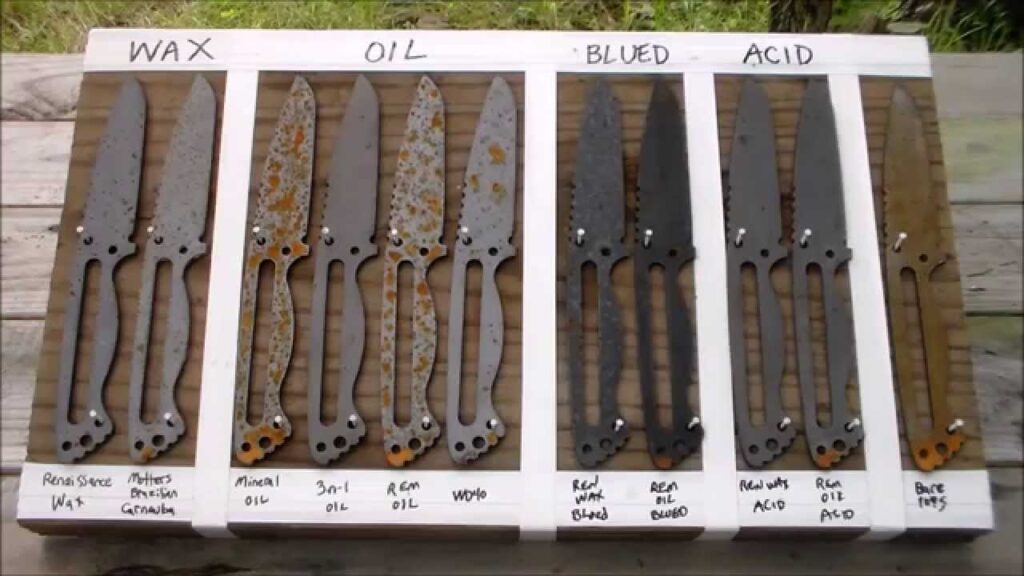
Now, let’s uncover the enchanting properties of 1095 steel. Due to its high carbon content, this steel boasts incredible toughness and wear resistance. When properly heat-treated, 1095 steel can achieve an impressive level of hardness, making it ideal for creating sharp, long-lasting edges. However, it is important to note that this hardness comes at a cost—1095 steel is more prone to corrosion compared to stainless steels.
Heat Treatment of 1095 Steel
One of the secrets to unlocking the full potential of 1095 steel lies in its heat treatment. By subjecting the steel to specific heating and cooling processes, bladesmiths and craftsmen can manipulate its properties to suit their needs. Annealing, quenching, and tempering are common techniques used to refine the hardness, toughness, and flexibility of 1095 steel.
Applications of 1095 Steel
Our adventure wouldn’t be complete without exploring the diverse applications of 1095 steel. From crafting razor-sharp knives to forging sturdy tools and weapons, this steel has found its way into numerous industries. Its ability to hold a keen edge and withstand heavy use makes it a favorite among bladesmiths and blacksmiths alike.
Knife Making with 1095 Steel
One of the most popular uses of 1095 steel is in knife making. Blades crafted from 1095 steel are revered for their sharpness and edge retention, making them a favorite among outdoor enthusiasts and survivalists. Whether you’re carving wood, skinning game, or preparing a delicious meal, a knife made from 1095 steel is sure to serve you well.
As our quest to unravel the mysteries of 1095 steel comes to an end, we have gained a deeper understanding of this remarkable material. With its high carbon content, exceptional hardness, and versatility, 1095 steel continues to captivate craftsmen and adventurers across the globe. So, the next time you hold a blade made from 1095 steel in your hands, remember the ancient secrets and modern wonders that lie within.
Until our next adventure, may your blades be sharp and your quests be grand!
What is 1095 Carbon Steel?
Frequently Asked Questions
What are the properties of 1095 steel?
1095 steel is a high carbon steel known for its hardness and edge retention. It is tough and durable, making it suitable for knife making and tools where sharpness and strength are crucial.
How is 1095 steel commonly used?
1095 steel is frequently used in the manufacturing of knives, swords, and other cutting tools due to its ability to hold a sharp edge. It is also used in various industrial applications that require a tough and wear-resistant material.
What is the carbon content of 1095 steel?
1095 steel contains around 0.95% – 1.05% carbon content, which contributes to its high hardness and strength. This carbon concentration makes it an excellent choice for applications requiring a sharp cutting edge.
Final Thoughts
In conclusion, 1095 steel is a popular choice for knife making due to its high carbon content, which provides excellent edge retention and sharpness. This type of steel is known for its toughness and durability, making it ideal for heavy-duty tasks. With proper care and maintenance, tools and knives made from 1095 steel can last a lifetime. Choosing 1095 steel ensures reliable performance and a long-lasting cutting edge.