 A Guide to Monthly Testosterone Replacement Therapy Costs and Expenses

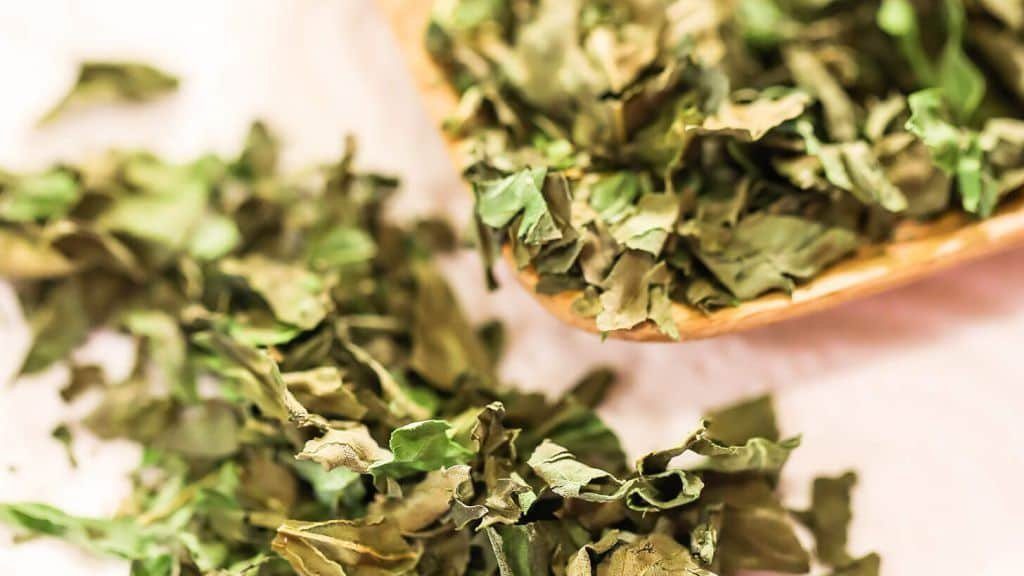
Dried basil is a pantry essential that adds a burst of flavor to your dishes year-round. This humble herb, derived from the fragrant basil plant, undergoes a meticulous drying process to preserve its aromatic qualities. What is dried basil? It’s a convenient option for when fresh basil is out of season or unavailable. Discover the versatility and culinary possibilities that dried basil brings to your kitchen creations.

What is Dried Basil: A Comprehensive Guide
Welcome, young chefs and food enthusiasts, to our detailed guide on dried basil! Have you ever wondered about that fragrant herb sprinkled on top of your favorite pasta dish or pizza? That’s right, it’s basil! In this article, we will delve into the world of dried basil, exploring its origins, uses, benefits, and much more. So, grab a snack and let’s dive in!
The Basics of Basil
Before we talk about dried basil, let’s first understand what basil is. Basil is a popular herb that belongs to the mint family. It is known for its strong aroma and distinct flavor profile, which is a blend of sweet and slightly peppery notes. Basil is commonly used in various cuisines around the world, particularly in Mediterranean and Italian dishes.
Origins of Basil
Basil has a long history that dates back thousands of years. It is believed to have originated in India and other parts of Asia before spreading to Europe and the rest of the world. In ancient times, basil was considered a sacred herb with various symbolic meanings across different cultures.
What is Dried Basil?
Dried basil is simply fresh basil leaves that have been dried and crushed into flakes or powder. This form of basil allows for easy storage and prolonged shelf life while retaining much of its flavor and aroma. Dried basil can be found in most grocery stores and is a convenient alternative to fresh basil, especially when the latter is not in season.
Production Process
The process of drying basil involves carefully harvesting fresh basil leaves and then drying them using methods like air-drying or dehydrating. Once the leaves are completely dried, they are crushed or ground into a fine powder or flakes. This process helps preserve the essential oils and flavors present in fresh basil.
Uses of Dried Basil
Dried basil is a versatile herb that can be used in a variety of culinary creations. Here are some popular ways to incorporate dried basil into your cooking:
Seasoning
Dried basil is a fantastic seasoning for pasta dishes, soups, stews, sauces, and marinades. Its robust flavor can elevate the taste of your favorite recipes with just a sprinkle of this aromatic herb.
Baking
You can also use dried basil in baking, especially in bread, focaccia, and savory pastries. The addition of basil can add a unique twist to your baked goods and enhance their overall flavor profile.
Infusions
Infusing dried basil in oils or vinegar can create flavorful bases for salad dressings or dipping sauces. This process allows the rich essence of basil to infuse into the liquids, providing a burst of freshness in every bite.
Benefits of Dried Basil
Aside from its culinary uses, dried basil offers several health benefits due to its nutrient-rich composition. Here are some of the advantages of incorporating dried basil into your diet:
Antioxidant Properties
Basil is packed with antioxidants that help protect your cells from damage caused by free radicals. These antioxidants can boost your immune system and promote overall well-being.
Anti-Inflammatory Effects
The essential oils in basil, even when dried, possess anti-inflammatory properties that may help reduce inflammation in the body and alleviate symptoms of certain conditions.
Digestive Aid
Dried basil has been traditionally used to aid digestion and soothe stomach discomfort. It can help reduce bloating and promote healthy digestion when consumed as part of a balanced diet.
How to Store Dried Basil
To keep your dried basil fresh and flavorful, it’s essential to store it properly. Follow these tips to ensure your dried basil maintains its quality:
Container
Store dried basil in an airtight container to prevent exposure to light, moisture, and air. A glass jar or airtight plastic container works best for preserving the herb’s aroma and flavor.
Location
Place the container of dried basil in a cool, dark pantry or cupboard away from heat sources and direct sunlight. Excessive light and heat can degrade the quality of the dried herb over time.
Shelf Life
Dried basil can typically retain its flavor for up to one year if stored correctly. Be sure to check for any signs of discoloration or loss of aroma, indicating that the herb may have gone stale.
In Conclusion
Now that you’ve learned all about dried basil, from its origins to its uses and benefits, you’re well-equipped to incorporate this aromatic herb into your culinary adventures. Whether you’re adding a pinch of dried basil to your favorite recipes or experimenting with new dishes, basil is sure to bring a burst of flavor to your meals. So, embrace the magic of dried basil and let your creativity shine in the kitchen!
Remember, the world of herbs and spices is vast and exciting, so don’t be afraid to explore and discover new flavors along the way. Happy cooking!
How to Dry and Preserve Basil
Frequently Asked Questions
What are the characteristics of dried basil?
Dried basil is a popular herb known for its strong flavor profile that combines anise, mint, and pepper notes. It has a vibrant green color and a slightly sweet aroma.
How is dried basil made?
Dried basil is made by harvesting fresh basil leaves from the plant, then drying them through methods like air drying or dehydrating. Once dried, the leaves are crumbled or ground into smaller pieces for culinary use.
How should dried basil be stored?
To maintain its flavor and potency, dried basil should be stored in an airtight container away from direct sunlight and heat. It is best kept in a cool, dry place like a pantry or cupboard.
Can dried basil be used as a substitute for fresh basil in recipes?
Yes, dried basil can be used as a substitute for fresh basil in recipes, but it is important to note that dried basil has a more concentrated flavor. As a general rule, you can use one-third of the amount of dried basil compared to fresh basil in a recipe.
Final Thoughts
Dried basil is a versatile herb commonly used in cooking. Its intense flavor can enhance a wide range of dishes, from pasta sauces to soups and salads. By carefully drying fresh basil leaves, you can preserve its taste and aroma for a longer period. Incorporating dried basil into your pantry allows you to easily add a burst of herbal goodness to your recipes. Next time you’re wondering what dried basil is, remember it’s a valuable ingredient that adds depth and flavor to your favorite meals.