 A Guide to Monthly Testosterone Replacement Therapy Costs and Expenses

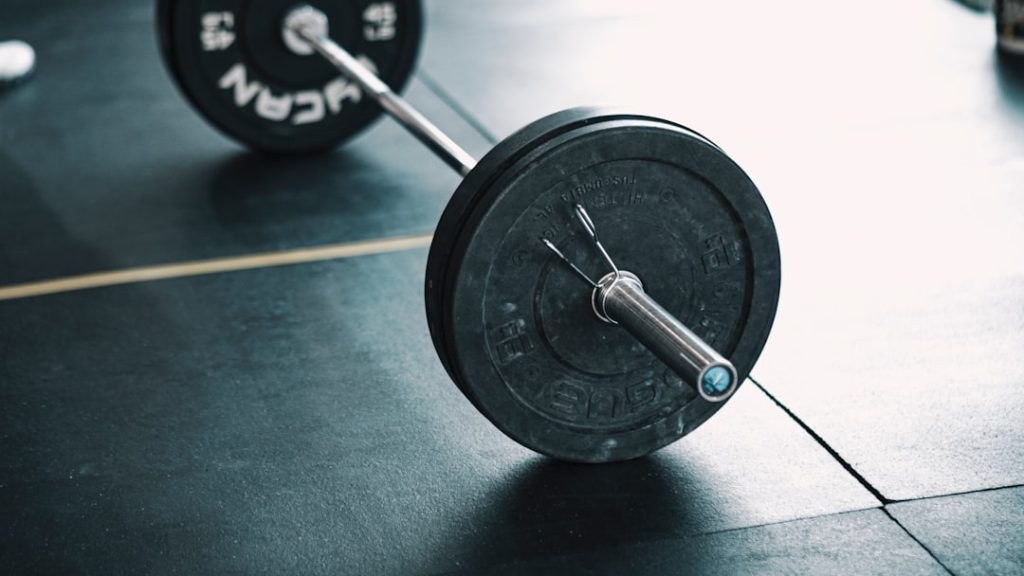
Heavy lifting requires strength, control, and proper support to achieve better performance while maintaining safe training habits. Many athletes use Lifting Belt as an important training accessory to improve core stability and support their body during challenging exercises. Designed for intense workouts, a lifting belt helps create a stronger feeling of balance and confidence when performing heavy movements.
Why Is a Lifting Belt Important for Strength Training?
A strong and stable core is essential for many weightlifting exercises. During heavy lifts, the muscles around the abdomen and lower back work together to maintain proper posture and control. A lifting belt provides additional support around this area, helping athletes focus on their technique and movement patterns.
Using a lifting belt can encourage better awareness of body positioning during demanding exercises. When the core feels supported, many athletes find it easier to maintain control while lifting heavier weights. It can become a useful part of a structured training routine when combined with proper form and consistent practice.
How Does a Lifting Belt Improve Heavy Lifting Performance?
Heavy exercises require maximum effort and concentration. Movements such as squats, deadlifts, and other strength-based activities place significant demands on the body. A lifting belt helps provide external support around the midsection, allowing lifters to create better stability during these powerful movements.
The support from a lifting belt may help athletes feel more secure when handling challenging loads. This added confidence can improve focus and encourage controlled movement throughout each repetition. While the belt supports performance, developing natural strength and correct lifting techniques remains an important part of long-term progress.
What Features Make a Lifting Belt Durable and Reliable?
Durability is a key factor when choosing a lifting accessory. A well-made lifting belt should be strong enough to handle regular training sessions and repeated pressure. Quality materials help maintain the belt’s structure while providing consistent support during workouts.
Comfort is also important because athletes often wear belts during intense training periods. A properly designed belt should fit securely around the waist without creating unnecessary discomfort. Adjustable features allow users to find the right level of tightness for their individual needs.
The ideal lifting belt offers a balance between firmness and flexibility. It should provide enough support for heavy lifts while still allowing natural movement during exercises.
Can a Lifting Belt Help Improve Training Confidence?
Confidence plays an important role in strength training. When athletes feel properly supported, they can approach difficult exercises with greater focus and determination. A lifting belt can help create a more stable feeling, especially during sessions that involve heavier weights.
However, a lifting belt should be viewed as a supportive tool rather than a replacement for building core strength. Athletes should continue improving their technique, mobility, and overall fitness to achieve better results.
How Should a Lifting Belt Be Used and Maintained?
Proper use of a lifting belt helps maximize its benefits. Athletes should wear the belt correctly and adjust it according to the exercise being performed. Using it only when additional support is needed allows the body to continue developing natural strength.
Maintenance is also important for extending the life of the belt. Keeping it clean and storing it properly helps preserve its condition. Regular inspection can identify signs of wear and ensure the belt continues to provide reliable support.
Conclusion
A lifting belt is a valuable training accessory for athletes who want additional core support during heavy lifting sessions. It helps improve stability, confidence, and control while performing challenging exercises. With durable construction, proper fitting, and responsible use, a lifting belt can become an effective part of a strength training routine focused on performance and progress.