 A Guide to Monthly Testosterone Replacement Therapy Costs and Expenses

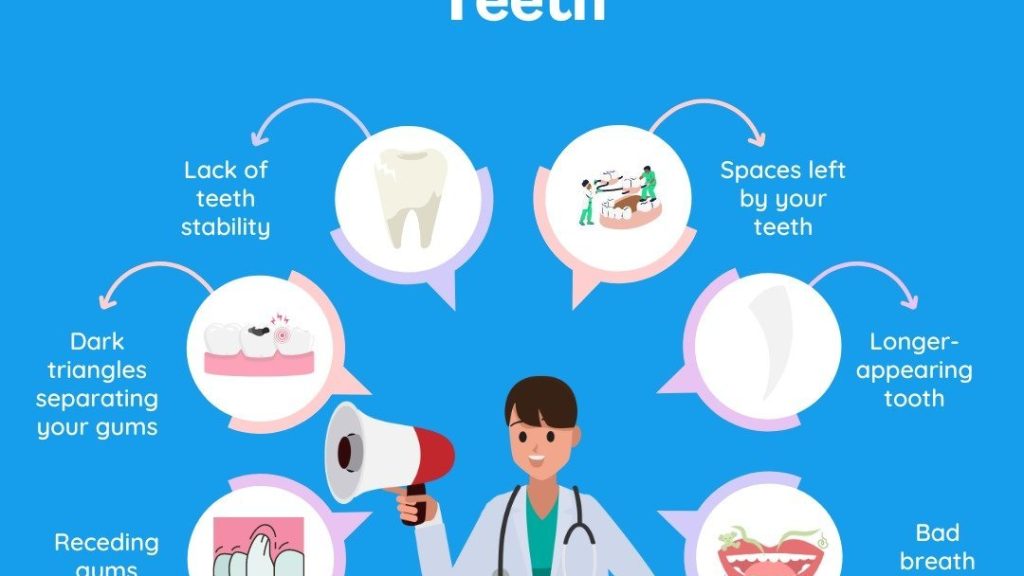
Teeth bone loss, or dental bone resorption, can be triggered by several factors. Some of the common causes include periodontal disease, hormonal changes, and poor nutrition. Periodontal disease, a bacterial infection affecting the gums and bone surrounding the teeth, is a significant contributor to teeth bone loss. Hormonal changes, such as those occurring during menopause, can also lead to decreased bone density in the jaw. Ensuring proper dental care and a balanced diet can help prevent teeth bone loss and maintain overall oral health.

Understanding What Causes Teeth Bone Loss
Welcome to our in-depth guide on what causes teeth bone loss. In this article, we will explore the various factors that can lead to bone loss in teeth and how you can prevent it. Bone loss in the jaw can have serious consequences on your oral health, so understanding the causes is essential for maintaining a healthy smile.
The Role of Bone in Your Teeth
Before we delve into what causes teeth bone loss, let’s first understand the importance of bone in your teeth. The jawbone plays a crucial role in supporting your teeth, providing a foundation for them to be anchored in place. Without strong and healthy bone, your teeth may become loose or even fall out.
Common Causes of Teeth Bone Loss
There are several factors that can contribute to bone loss in your teeth. Let’s take a closer look at some of the most common causes:
Poor Oral Hygiene
One of the leading causes of teeth bone loss is poor oral hygiene. When plaque and tartar build up on your teeth, bacteria can infect the gums and lead to gum disease. If left untreated, gum disease can progress to periodontitis, which can result in bone loss in the jaw.
Smoking and Tobacco Use
Smoking and using tobacco products can have a detrimental effect on your oral health. Nicotine restricts blood flow to the gums, impairing their ability to fight off infection. This can contribute to gum disease and ultimately lead to bone loss in the jaw.
Genetics
Some individuals may be genetically predisposed to conditions that increase the risk of teeth bone loss. If your family has a history of periodontal disease or other oral health issues, you may be more susceptible to experiencing bone loss in your teeth.
Poor Nutrition
Diet plays a significant role in maintaining overall oral health. A lack of essential nutrients, such as calcium and vitamin D, can weaken the bones in your jaw and increase the risk of bone loss. Consuming a diet rich in fruits, vegetables, and dairy products can help support healthy bones.
Medical Conditions
Certain medical conditions, such as osteoporosis and diabetes, can also contribute to teeth bone loss. These conditions can affect the body’s ability to maintain strong and healthy bones, including the jawbone. It’s important to manage these conditions effectively to reduce the risk of bone loss.
Preventing Teeth Bone Loss
While there are several potential causes of teeth bone loss, there are also steps you can take to prevent it from occurring. Here are some tips to help maintain healthy bone in your teeth:
Practice Good Oral Hygiene
Brushing your teeth twice a day, flossing regularly, and visiting your dentist for routine cleanings can help prevent plaque buildup and gum disease, ultimately reducing the risk of bone loss. Maintaining good oral hygiene is essential for preserving the health of your teeth and bones.
Avoid Smoking and Tobacco Products
If you smoke or use tobacco products, consider quitting to protect your oral health. By eliminating these harmful habits, you can reduce the risk of gum disease and bone loss in your teeth.
Eat a Balanced Diet
Ensure that your diet includes a variety of nutrient-rich foods that support bone health, such as dairy products, leafy greens, and lean proteins. Providing your body with the necessary vitamins and minerals can help strengthen your jawbone and prevent bone loss.
Manage Medical Conditions
If you have a medical condition that may contribute to teeth bone loss, work closely with your healthcare provider to manage the condition effectively. By controlling conditions like osteoporosis and diabetes, you can reduce the impact they have on your oral health.
Teeth bone loss can have serious implications for your oral health, but by understanding the causes and taking proactive steps to prevent it, you can safeguard the health of your jawbone and teeth. Remember to prioritize good oral hygiene, make healthy lifestyle choices, and seek regular dental care to maintain strong and healthy bones in your mouth. With the right approach, you can protect your smile for years to come.
Bone Loss Around Your Teeth | The Real Cause Will Shock You | The Side Effects Are DEADLY
Frequently Asked Questions
What are the common causes of teeth bone loss?
Teeth bone loss can be caused by periodontal disease, a condition where bacteria infect the gums and lead to inflammation. Other factors include poor dental hygiene, smoking, genetics, hormonal changes, and certain medical conditions like osteoporosis.
How does periodontal disease contribute to teeth bone loss?
Periodontal disease damages the gums and bone that support the teeth. When left untreated, the bacteria in plaque can cause infection and inflammation, leading to the breakdown of the bone structure around the teeth and ultimately resulting in teeth bone loss.
Can smoking influence teeth bone loss?
Yes, smoking is a significant risk factor for teeth bone loss. It reduces blood flow to the gums, weakens the immune system’s ability to fight infections, and interferes with the healing process, all of which contribute to the progression of periodontal disease and subsequent bone loss around the teeth.
Final Thoughts
In conclusion, teeth bone loss can be caused by a variety of factors such as periodontal disease, poor oral hygiene, and certain medical conditions. When plaque and bacteria build up on the teeth and gums, it can lead to inflammation and damage to the bone supporting the teeth. Regular dental check-ups, proper oral care, and a healthy lifestyle can help prevent teeth bone loss. Understanding what causes teeth bone loss is crucial in maintaining good oral health and preserving the strength of your teeth for years to come.