 A Guide to Monthly Testosterone Replacement Therapy Costs and Expenses

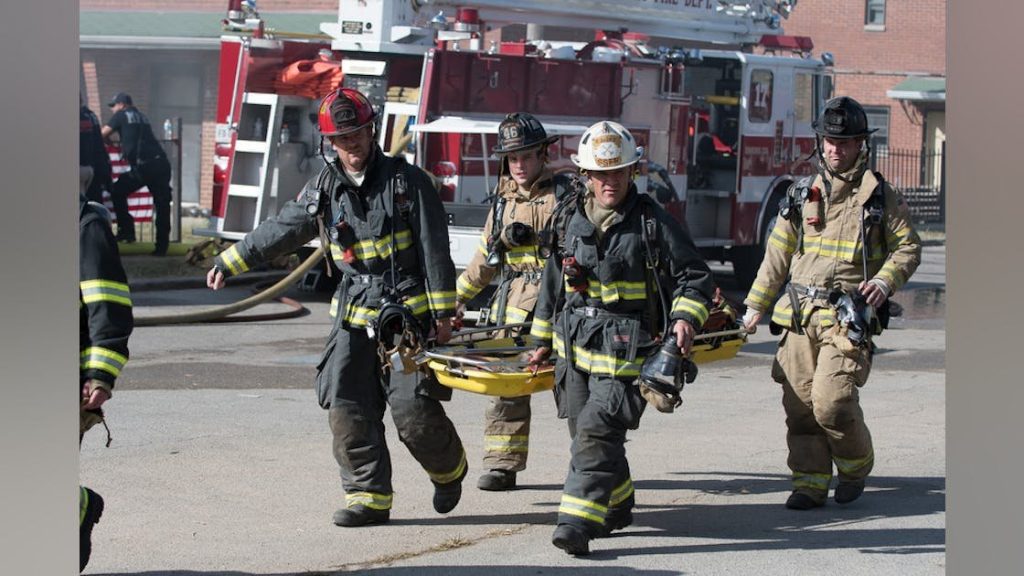
In firefighting, RIT stands for Rapid Intervention Team. When the unexpected happens, and a firefighter is in distress or trapped inside a burning building, the RIT is the team designated to swiftly respond and rescue their colleague. This specialized team is trained and equipped to handle such critical situations with speed and precision. Understanding what does RIT stand for in firefighting is essential for ensuring the safety and well-being of all firefighters on the scene. Let’s delve deeper into the importance and role of RIT in firefighting operations.

What Does RIT Stand for in Firefighting?
Welcome to our blog where we will explore the important acronym RIT in the world of firefighting. RIT is a crucial term that firefighters use to ensure safety and effectiveness during emergency situations. Let’s dive in and uncover the meaning and significance of RIT in firefighting.
The Meaning of RIT
RIT stands for Rapid Intervention Team. In firefighting, a Rapid Intervention Team plays a vital role in ensuring the safety of firefighters who are actively engaged in combating fires. The primary responsibility of a RIT is to provide swift assistance in case a firefighter becomes lost, injured, or trapped inside a burning structure.
The Role of RIT
When a firefighter encounters a critical situation such as running out of air, getting disoriented, or sustaining injuries, the RIT is the designated team that springs into action. Their primary goal is to rescue the firefighter in distress promptly and efficiently. This specialized team is extensively trained to handle challenging circumstances and navigate through hazardous environments to reach their fellow team member.
Training and Preparation
Members of the Rapid Intervention Team undergo rigorous training to equip themselves with the skills and knowledge required for successful rescue operations. They practice simulated scenarios, honing their abilities to swiftly locate and extricate a trapped firefighter. Training sessions involve practicing various rescue techniques, using specialized equipment, and maintaining clear communication under stressful conditions.
Equipment Used
One of the critical aspects of RIT operations is the utilization of specialized equipment designed for firefighter rescue missions. These may include thermal imaging cameras to locate individuals in low visibility conditions, specialized tools for breaching walls or structures, and communication devices for seamless coordination between team members. The equipment is meticulously maintained to ensure optimal performance during emergency situations.
Implementation of RIT Protocols
Fire departments have established protocols and procedures for activating the Rapid Intervention Team when needed. These protocols dictate how and when the RIT should be deployed, as well as the communication channels to be used for coordination. By following established protocols, fire departments ensure a swift and effective response in case of an emergency involving a trapped or injured firefighter.
Active Monitoring
During firefighting operations, the RIT is actively monitoring the situation to assess potential risks and anticipate the need for intervention. By staying vigilant and prepared, the Rapid Intervention Team can spring into action at a moment’s notice, minimizing response time and maximizing the chances of a successful rescue.
Collaboration with Incident Command
Effective communication and collaboration between the RIT and the Incident Command play a crucial role in ensuring a coordinated and efficient response to emergency situations. The Incident Command keeps track of the overall operation, while the RIT focuses on the specific rescue mission, working in harmony to achieve the common goal of safeguarding the lives of firefighters.
In conclusion, RIT, which stands for Rapid Intervention Team, is a critical component of firefighting operations aimed at ensuring the safety and well-being of firefighters on the front lines. By having a dedicated team ready to respond to emergencies involving trapped or injured firefighters, fire departments can enhance their overall operational effectiveness and minimize risks during firefighting operations. The training, equipment, and protocols associated with RIT underscore the importance of preparedness and coordination in dealing with challenging situations. As we continue to honor the bravery and dedication of firefighters worldwide, let us also acknowledge the vital role that RIT plays in protecting those who selflessly protect others.
Rapid Intervention – The “Rescue Position” and Assessing SCBA Emergencies on a Downed Firefighter
Frequently Asked Questions
What is the meaning of RIT in firefighting?
RIT stands for Rapid Intervention Team. It is a dedicated group of trained firefighters who are on standby during emergency operations to rescue other firefighters in distress.
What is the role of a RIT in firefighting operations?
The primary role of a RIT is to provide immediate assistance and rescue to any firefighter who becomes trapped, injured, or lost while operating at the scene of a fire or other emergency.
How does a RIT team differ from regular firefighting teams?
A RIT team has specialized training in rescue techniques and equipment to quickly and safely extricate firefighters in distress. They are not involved in the initial fire suppression operations but are solely focused on firefighter rescue.
Final Thoughts
In firefighting, RIT stands for Rapid Intervention Team. RIT is a specialized team designated to rescue trapped or injured firefighters in emergency situations. Their primary goal is to quickly locate and extract any downed personnel to ensure their safety. RIT plays a crucial role in the overall safety and effectiveness of firefighting operations by providing immediate assistance when needed. Remembering what RIT stands for in firefighting is essential for all emergency responders to act swiftly and decisively in critical situations.