 A Guide to Monthly Testosterone Replacement Therapy Costs and Expenses

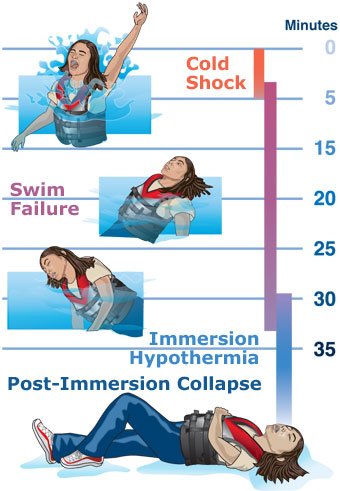
During stage 2 of cold water immersion, the body experiences the cold shock response. This phase can be intense, with gasping for breath and an increased heart rate. Blood vessels constrict to redirect blood flow to vital organs, leading to a rapid increase in blood pressure. Despite the body’s initial reaction, this stage is crucial as it helps to prepare the body for potential hypothermia. Understanding what happens during stage 2 of cold water immersion is essential for anyone involved in water activities to stay safe and respond effectively.

What Happens During Stage 2 of Cold Water Immersion
The Chill Sets In
When you first jump into cold water, your body goes through different stages of reaction. As you move from stage 1 to stage 2 of cold water immersion, your body starts to experience a significant drop in temperature. This drop triggers a series of responses that are crucial for your survival in cold water.
Shivering to Generate Heat
Once you’re in stage 2, your body begins to shiver vigorously. This involuntary muscle movement is your body’s way of generating heat to maintain a stable core temperature. Shivering helps increase your metabolic rate, burning more energy to produce heat, and keeping your body warm in the cold water.
Vasoconstriction and Blood Redistribution
During stage 2 of cold water immersion, your body initiates vasoconstriction, a process where blood vessels near the surface of your skin constrict. This mechanism is designed to reduce heat loss from your extremities, preserving warmth for vital organs like the heart, lungs, and brain. At the same time, blood flow is redirected to these essential organs to ensure they receive enough oxygen and nutrients to function properly.
The Dive Reflex Kicks In
Triggering the Mammalian Dive Reflex
As you progress into stage 2 of cold water immersion, another fascinating response occurs called the mammalian dive reflex. This reflex is an evolutionary adaptation that helps mammals, including humans, conserve oxygen and survive in cold water environments. When your face and upper body come into contact with cold water, the dive reflex is triggered.
Slowing Heart Rate and Constricting Blood Vessels
During the dive reflex, your heart rate slows down significantly, reducing oxygen consumption and helping you conserve energy. At the same time, blood vessels in your extremities constrict, directing more blood flow to your vital organs. This redistribution of blood helps maintain oxygen supply to crucial body systems, allowing you to stay submerged in cold water for a longer period.
Increased Risk of Hypothermia
Recognizing the Danger
Despite the protective mechanisms your body activates during stage 2 of cold water immersion, the risk of hypothermia remains high. Hypothermia occurs when your body loses heat faster than it can produce, dropping your core temperature to dangerous levels. It’s essential to recognize the signs of hypothermia, such as uncontrollable shivering, confusion, and loss of coordination, and take immediate action to prevent further heat loss.
Exiting the Water Safely
If you find yourself in stage 2 of cold water immersion for an extended period, it’s crucial to exit the water safely to prevent hypothermia and other cold-related injuries. Slowly and steadily make your way to shore or a warm environment, removing wet clothing and replacing them with dry layers to retain heat. Seek medical attention if you experience severe symptoms of hypothermia, as prompt treatment is essential for recovery.
In conclusion, stage 2 of cold water immersion is a critical phase where your body’s physiological responses are put to the test. By understanding what happens during this stage and how to stay safe in cold water, you can enjoy water activities while minimizing the risk of cold-related injuries. Remember to dress appropriately, stay vigilant for signs of hypothermia, and prioritize your safety whenever you venture into cold water environments.
Stages And Effects 4.3.2
Frequently Asked Questions
What are the physiological changes that occur during stage 2 of cold water immersion?
During stage 2 of cold water immersion, the body’s core temperature begins to drop rapidly, leading to vasoconstriction in peripheral blood vessels. The heart rate increases as the body attempts to maintain blood flow to vital organs, causing an initial spike followed by a gradual decrease in heart rate. Shivering may also intensify during this stage as the body tries to generate heat through muscle contractions.
How does the body’s response change in stage 2 of cold water immersion compared to stage 1?
In stage 2 of cold water immersion, the body transitions from initial shock and gasping for breath to a more controlled physiological response. The vasoconstriction becomes more pronounced, diverting blood flow away from the extremities towards vital organs to preserve core temperature. The shivering response typically increases in intensity during this stage as the body struggles to maintain heat production.
What is the role of hypothermia in stage 2 of cold water immersion?
In stage 2 of cold water immersion, the risk of hypothermia becomes more significant as the body’s core temperature continues to decrease. Hypothermia can impair cognitive functions and motor skills, leading to confusion, disorientation, and decreased coordination. It is crucial to monitor for signs of hypothermia and take appropriate measures to prevent further heat loss.
Final Thoughts
During stage 2 of cold water immersion, the body reacts by entering the cold shock response. This phase can last up to three minutes and is characterized by uncontrollable gasping and hyperventilation. Heart rate and blood pressure increase significantly during this stage. Understanding what happens during stage 2 of cold water immersion can help individuals prepare and react effectively in emergency situations.